
Amazon US FBA Prep for Bras: Barcodes, Polybags and Handover
By LXSC · Sourcing and product-development guides
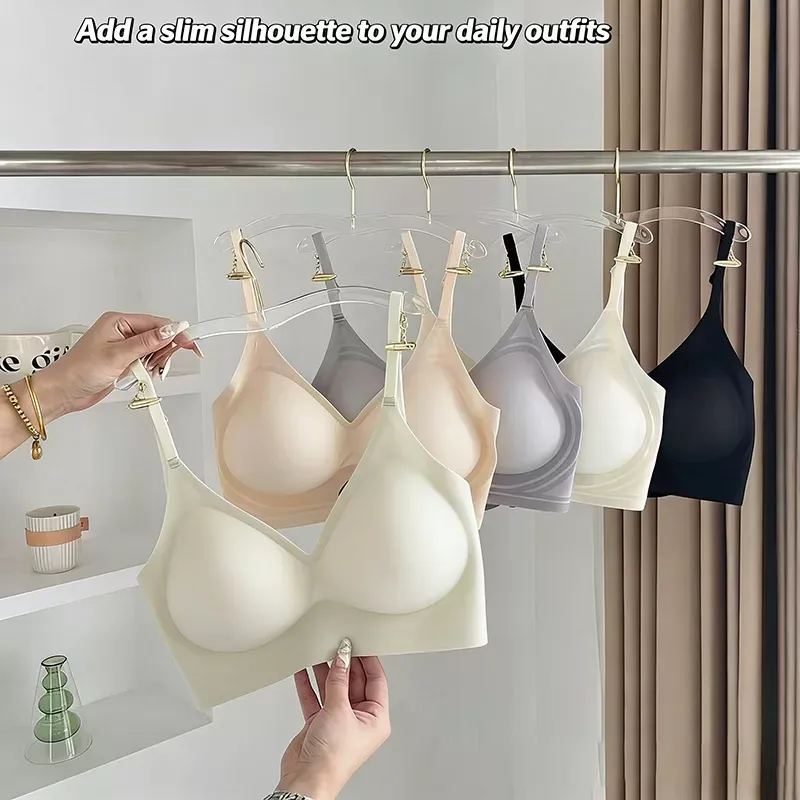
For a US FBA bra order, start with your current Seller Central requirements, not a generic label template. Decide who prepares the goods, map every color and size to its approved barcode, and approve a packed sample. Factory preparation is a service scope to confirm, not a guarantee of Amazon acceptance.
Account for the US FBA preparation change
Amazon announced that US FBA prep and item-labeling services ended on January 1, 2026. The announcement covers inventory sent directly to FBA and inventory reaching FBA through AWD, AGL, SEND and Supply Chain Portal. Plan seller, factory or third-party preparation before shipment; do not budget for the discontinued US service.
Confirm which barcode your account must use
For inventory shipped on or after March 31, 2026, Amazon's announcement distinguishes brand owners with the Brand Representative selling role in Amazon Brand Registry from resellers without that role. Eligible brand owners may use eligible manufacturer barcodes under the announced rules; confirm the ASIN and account. The specified resellers must use Amazon barcode stickers. Products without manufacturer barcodes require Amazon stickers in either group. Confirm the actual ASIN and account settings before printing.
Create one approved label record per variant
Send the original label file generated or approved in your account. Do not reconstruct a barcode from a photograph. A readable barcode can still identify the wrong size, so compare the scanned result with both the garment and the approved variant record.
| Record | Seller supplies | Packing check |
|---|---|---|
| Variant | Model, seller SKU, ASIN, color, size | Garment and label identify the same variant |
| Unit label | Approved file and revision | Print clarity, placement and scan result |
| Packaging | Current marketplace specification | Bag dimensions, closure and required information |
| Carton | Shipment plan and contents | Box label matches the actual carton |
Approve a complete packed sample
Check the garment labels, protective packaging, warning requirements and external barcode together. Use the applicable marketplace instructions for bag thickness, warning wording, label dimensions and carton limits; this guide does not prescribe universal values. If Transparency applies, obtain the program's current instructions for that product rather than assuming its code replaces another label.
Separate preparation charges from garment quantity
Ask who prints, applies, scans and approves each label, and who corrects a mismatch. Existing catalog styles have a minimum of 100 pieces per model; color and size splits and availability are confirmed for quotation. Branded packaging and barcode work require separate scope and pricing. Original new-design production starts from 10,000 pieces. A garment minimum does not establish a packaging-component minimum.
Release cartons against the final shipment plan
Keep an approved packed reference and a carton-content record. Recheck requirements when the marketplace, account role, ASIN, packaging or shipment plan changes. Obtain confirmation of LXSC's proposed preparation work for your order before releasing bulk packing. The seller remains responsible for verifying the applicable account instructions.
Frequently Asked Questions
Can I pay Amazon to label my US FBA bra shipment?+
Amazon's official announcement ended US FBA prep and item-labeling services from January 1, 2026. Arrange the work before shipment with a party whose scope you have confirmed.
Does every bra need an FNSKU sticker?+
Do not assume so. The required barcode depends on the current account role, product barcode eligibility and listing instructions. Approve the variant mapping before any labels are printed.
Sources and scope
- Amazon: US FBA prep and labeling services to end January 1, 2026
Published July 28, 2025; US scope; checked September 10, 2026.
- Amazon News: Commingling practices will end effective March 31, 2026
Official announcement, not forum comments; checked September 10, 2026. Account-specific packaging instructions still require Seller Central verification.
External guidance can change. Verify the applicable destination, account, product and effective date before making a purchasing or compliance decision.
Send your model or project requirements, quantities, size and color plan, and destination. Julie can confirm the applicable order route and what the quotation includes.
Existing-style wholesale starts from 100 pieces per model. Original-design custom production starts from 10,000 pieces. Color and size allocation, branding and packaging terms are confirmed separately.
Discuss your sourcing requirementsMore Articles
Lingerie Branding Artwork: Labels, Hangtags and Packaging Approval
Prepare production-ready brand files and approve label placement, packaging fit and artwork versions before printing.
Lingerie Packaging Options: A Quote and Sample Checklist
Compare neutral packing, labels, hangtags and boxes by actual scope, dimensions, quantity and approval status.
Private-Label Bra Costs: Branding Cash and Per-Unit Additions
Separate the base garment, first-order component purchases, application fees and repeat-order cost for a private-label bra project.