Back to News
OEM/ODM2026-06-03

Breathable Seamless Private-Label Lingerie for Tropical Climates (2026 Sourcing Guide)

Breathable Seamless Private-Label Lingerie for Tropical Climates (2026 Sourcing Guide)

If you sell lingerie in a tropical market, the single most important specification is not the cup shape or the lace — it is how the fabric handles heat and sweat. Breathable seamless private-label lingerie for tropical climates means a knit nylon-spandex or polyester-spandex bra, bonded or laser-cut instead of sewn, with open-knit ventilation zones and a moisture-wicking finish, produced to your own label at an MOQ of 100 pieces per style. That is exactly the kind of product LXSC manufactures for boutiques and online sellers across Southeast Asia.

Why tropical demand is shifting toward seamless. In markets like the Philippines, Indonesia, Malaysia, Thailand and Vietnam, daytime humidity routinely sits above 70-80% for much of the year. Traditional cut-and-sew bras with thick foam cups, multiple seams and a rigid underwire trap heat and chafe in those conditions. Seamless bonded construction removes the stitched seams that cause rub marks, while a lighter single-jersey or warp-knit body lets air move. For everyday wear in the tropics, buyers consistently report faster sell-through on breathable wireless styles than on heavily padded wired ones.

What 'breathable' actually means at the fabric level. There are three levers a factory controls. First, fiber: nylon (polyamide) with 12-20% spandex gives the soft, cool hand most tropical buyers want, while recycled-poly or poly-spandex blends wick sweat away from the skin faster. Second, weight: a tropical daily bra typically runs in the 180-260 GSM range — heavier feels supportive but hotter, lighter breathes better but offers less coverage. Third, structure: open-knit mesh panels, pointelle ventilation holes, or a perforated wing dramatically increase airflow without changing the silhouette.

Moisture management vs. simple breathability. These are different things and buyers should spec both. Breathability is how easily air passes through the fabric; moisture management is how fast sweat is pulled off the skin and spread out to evaporate. A wicking finish or an inherently hydrophilic poly yarn keeps the cup from feeling damp during a humid commute. For period-proof or activewear-adjacent lines, ask the factory for a quick-dry treatment and confirm it survives repeated washing rather than washing out after a few cycles.

Construction choices that keep a bra cool. Bonded edges (fabric folded and heat-pressed instead of elastic-bound) reduce bulk and eliminate the thick band that holds heat at the underbust. Laser-cut or ultrasonic-cut openings give a true no-show, no-seam finish under thin tops — a strong selling point for hot-climate wardrobes that lean on light fabrics. Wireless molded cups, or removable foam pads in a thin spacer mesh, give shape without the sweat-trapping density of a full push-up pad. For fuller busts that still need support, a wider seamless wing and a powernet underband add hold without going back to a stiff wire.

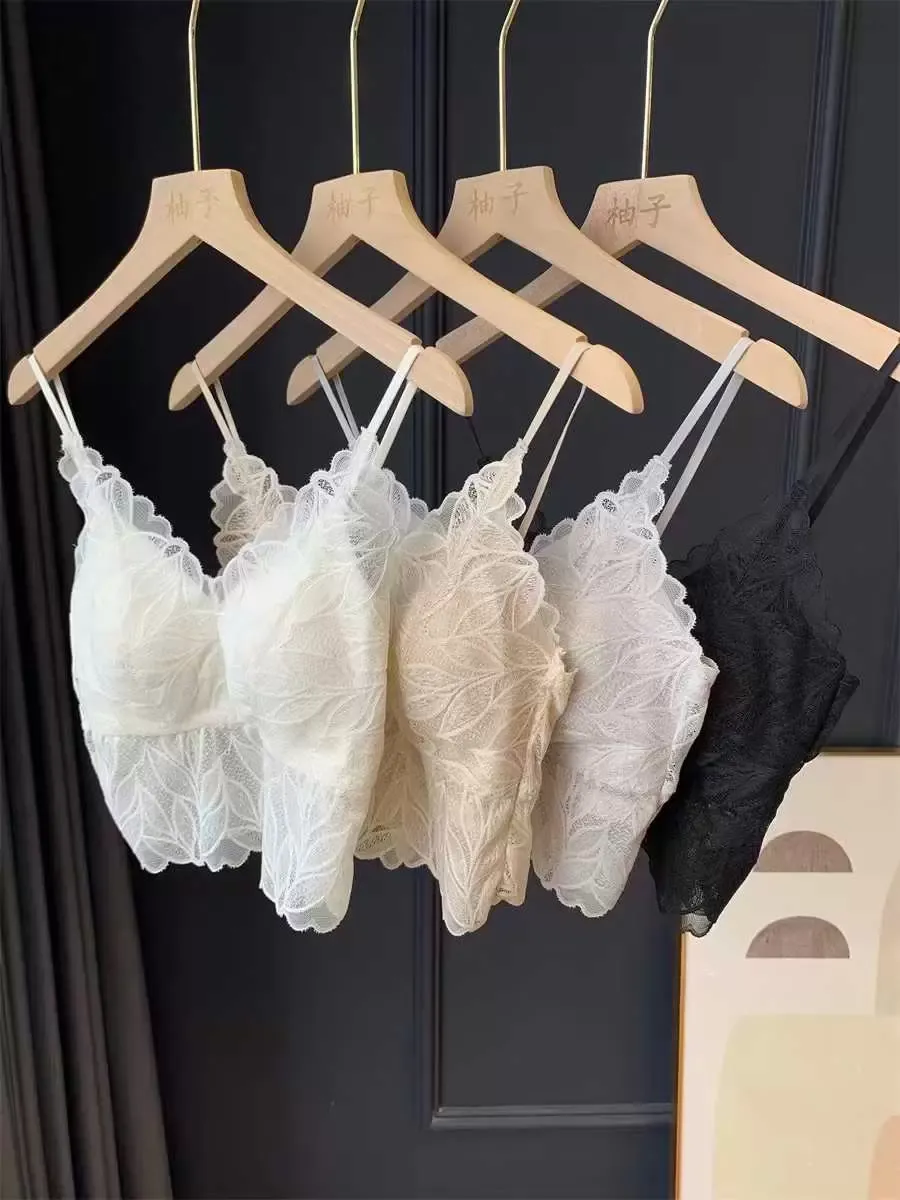
Styles that move fastest in tropical markets. Based on what sells through our seamless catalog in Southeast Asia, the core assortment is: a wireless seamless everyday bra in skin and black; a longline or bralette style for layering under loose tops; a thin-cup molded T-shirt bra in neutral tones; and a seamless boyshort or hipster to match. Strapless and tube seamless options spike around wedding and event seasons. Anchoring a tropical line on two or three breathable wireless bestsellers — then adding lace or strapless as seasonal accents — is the lowest-risk way to launch.

Private-label and OEM/ODM scope. With a reference photo, a competitor sample, or a sketch, our pattern team can build a first sample matching the cup shape, support and finish, then advise on the right tropical-friendly fabric and trims. ODM means you select from styles we already make and customize fabric, color, padding and labels; OEM means we build your design from the pattern up. Either way you get your own woven label, hangtag and branded packaging. Custom fabric and labels are purchased specifically for your order, so on full custom runs MOQ can apply per color and per size curve, not just per style.

MOQ, sizing and how to hit volume efficiently. LXSC's standard MOQ is 100 pieces per style — low enough to test a market without over-committing inventory, high enough to keep unit pricing competitive. Plan the size split around demand instead of spreading it evenly: in most Southeast Asian markets the bulk of sales sit in the middle of the curve (think 32-36 band, A-C cup in Asian fit), so order more of the middle and fewer extremes. To reach volume pricing without overbuying one design, combine two or three proven styles in a single order rather than stretching one style across too many colors.

Sampling before bulk. Always approve a physical sample before committing to a full run, especially for a climate-driven product where hand-feel and breathability can't be judged from a photo. Most styles go through one or two sample rounds before fit and finish are right. Use the sample stage to wash-test the fabric for shrinkage, colorfastness and whether the wicking or quick-dry finish holds up. This is also when you lock fabric and color, which shortens bulk lead time and reduces the risk of a costly reorder.

Colors, prints and the tropical aesthetic. Neutral skin tones, soft pastels and clean black continue to outsell bold colors for everyday tropical lines, partly because they disappear under light, sheer hot-weather clothing. For modest-wear and muslimah segments in Malaysia and Indonesia, seamless wireless styles with higher coverage and matched seamless briefs are a reliable, fast-moving combination. If you want differentiation, a subtle pointelle texture or tone-on-tone bonded trim photographs well for social commerce without adding heat-trapping bulk.

Packaging, labeling and channel readiness. For TikTok Shop, Shopee, Lazada and live-selling resellers, branded poly-mailer-friendly packaging and clear size labeling matter as much as the garment. We can apply your custom label, hangtag and inner size tag at the factory, and prepare goods for marketplace fulfillment so you are not re-handling every unit. Spelling out your packaging and labeling needs in the first quote request avoids surprises and keeps your unboxing consistent across reorders.

How to spec a tropical bra in your first message to a factory. Include four things and you'll get an accurate quote fast: (1) the style and a reference image; (2) the fabric direction — e.g. 'nylon-spandex seamless, lightweight, breathable, wicking'; (3) wireless or wired, padded or unlined; and (4) your target sizes, colors and quantity. Because buyers source by model code rather than published price, sending a clear reference plus those specs lets us match the closest model in our catalog or quote a custom OEM run, and recommend the fabric weight and construction best suited to your market's heat and humidity.

The bottom line for tropical-market sellers. Breathability is a sourcing decision, not a marketing word — it lives in the fiber blend, the fabric weight, the knit structure and the seam construction. Specifying a lightweight nylon- or poly-spandex seamless body, bonded or laser-cut edges, ventilation zones and a wicking finish gives you a private-label bra that actually performs in heat and humidity, and the 100-piece MOQ lets you launch or test it without locking up cash. Send a reference and your target market, and we'll point you to the right model and fabric for your climate.

Wholesale & OEM/ODM lingerie, MOQ 100pcs View All Products · Factory

Frequently Asked Questions

What makes seamless lingerie better for tropical climates?+

Seamless bonded or laser-cut construction removes the stitched seams and thick elastic bands that trap heat and cause chafing in humid weather. Paired with a lightweight nylon- or poly-spandex knit (typically 180-260 GSM), open-knit ventilation zones and a moisture-wicking finish, it stays cooler and drier than a heavily padded, wired cut-and-sew bra.

Which fabric is most breathable for a tropical private-label bra?+

A nylon (polyamide) and spandex blend with around 12-20% spandex gives a soft, cool hand, while poly-spandex blends wick sweat faster. Keep the fabric weight on the lighter side and add open-knit mesh, pointelle holes or a perforated wing for airflow. Ask for a quick-dry or wicking finish that survives repeated washing.

What is the MOQ for private-label seamless lingerie at LXSC?+

The standard MOQ is 100 pieces per style. For full custom OEM runs, MOQ can apply per color and per size curve because custom fabric and labels are bought specifically for your order. Combining two or three proven styles in one order is the most efficient way to reach volume pricing.

Can you make a tropical bra from my reference photo or sample?+

Yes. From a clear photo, a competitor sample or a sketch, our pattern team builds a first sample matching the cup shape, support and finish, then advises on the best breathable fabric and trims for your market. Most styles go through one or two sample rounds before fit and finish are approved.

Do you provide custom labels and branded packaging for tropical-market sellers?+

Yes. We apply your woven label, hangtag and inner size tag at the factory and can prepare goods in branded, marketplace-friendly packaging for TikTok Shop, Shopee, Lazada and live selling. Specify your labeling and packaging needs in the first quote so reorders stay consistent.

How do I get pricing for a tropical seamless line?+

Buyers inquire by model code rather than published prices. Send the style and reference image, the fabric direction (e.g. lightweight breathable nylon-spandex seamless), wireless/wired and padded/unlined, plus your target sizes, colors and quantity. We'll match the closest model or quote a custom OEM run and recommend the right fabric weight for your climate.

Send us your inquiry today and get a quote within 24 hours.

Contact Us Now