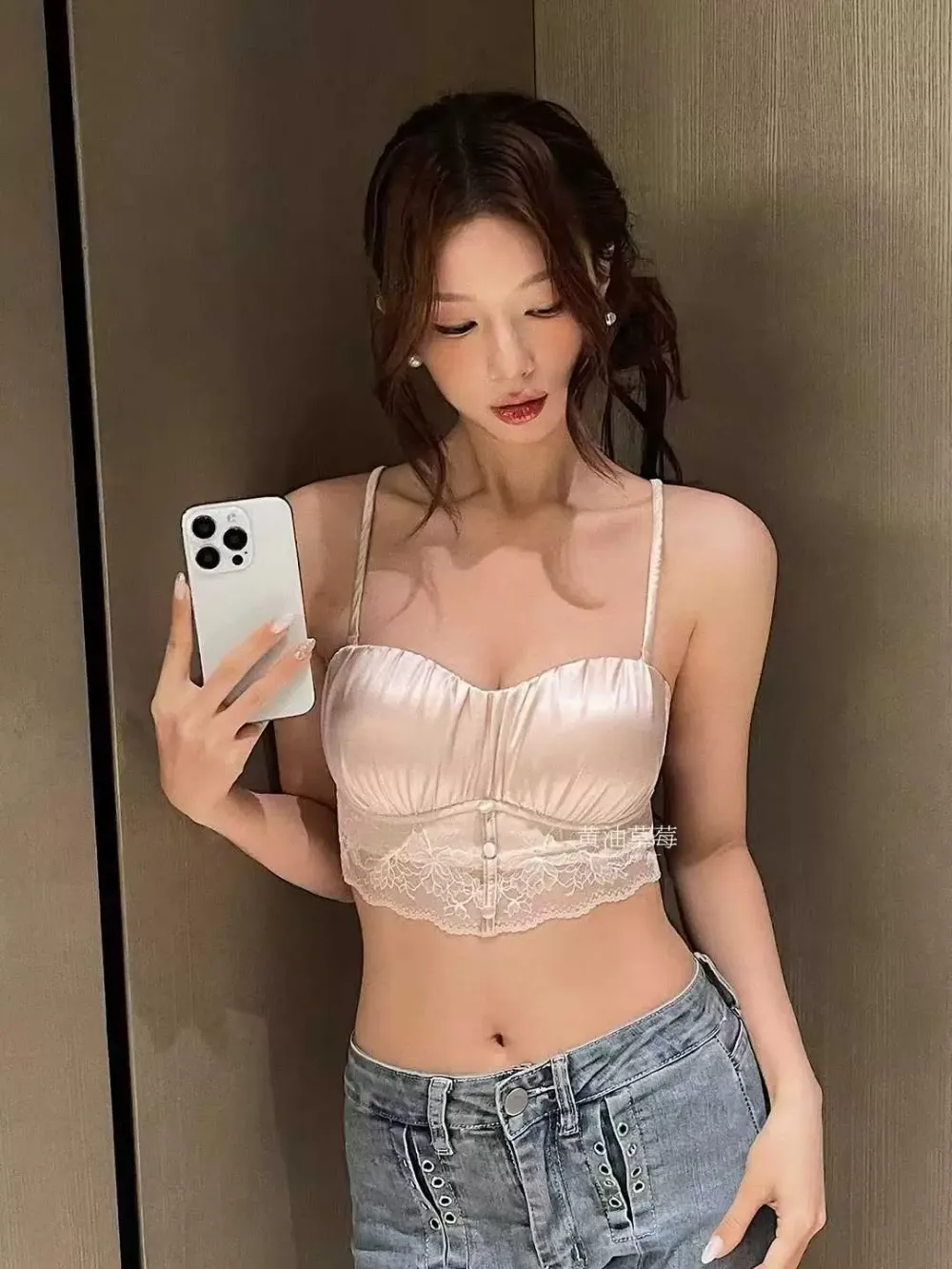
Foam vs Silicone vs Push-Up Pad Inserts: Cost, Heat & Margin for Wholesalers

For bra wholesalers selling into hot, humid Southeast Asian markets, push-up padding is a sourcing decision that quietly controls both your FOB cost and your return rate: PU foam cups are the cheapest and most breathable but give modest lift, molded foam (also called sew-in or removable foam pads) sits in the middle on price and shape, and silicone gel inserts deliver the most dramatic cleavage but trap heat, weigh more, and add the most to your unit cost. The right pick depends on whether you are selling a daily comfort line in Manila and Jakarta or a going-out push-up bra for live-selling — not on which pad simply looks best in a product photo.
Start with the three real categories, because suppliers and consumers use the names loosely. PU foam (polyurethane foam) is the soft, spongy laminated foam used as a full cup lining or thin all-over layer — it is light, springy, washes well, and breathes the best of the three. Molded foam pads are pre-shaped cups (often with a graduated push-up profile, thicker at the bottom outer edge) that are either sewn in or slipped into a pocket as removable inserts. Silicone gel inserts are the heavy, semi-liquid 'chicken fillet' style pads — sometimes integrated, more often removable — that mimic the density of breast tissue and create the strongest cleavage and lift.
On cost, the gap is wide and it shows up directly in your FOB price. A thin PU foam lining adds the least to a bra's material cost; a pair of standard molded push-up foam cups is a step up; and silicone gel inserts are by far the most expensive component per pair because the raw gel is heavier, the molds are pricier, and QC reject rates run higher (gel can develop air bubbles or leak at the seal). As a rough sourcing rule, swapping a foam-padded style for a silicone-insert version of the same bra is the single biggest line-item that moves your per-unit quote — often more than the fabric choice itself.
Heat and breathability are where this decision wins or loses you reviews in tropical climates. PU foam is open-cell and lets some air pass, so it is the safest default for daily bras worn 10-plus hours in 32C, 80%-humidity conditions. Molded foam is denser and warmer but still acceptable for everyday wear if you spec a perforated or 'air-hole' foam. Silicone gel is effectively a sealed, body-temperature pad against the skin — it holds heat and sweat, which is fine for a two-hour night out but generates complaints when buyers in Bangkok or Cebu try to wear it as a daily bra. Match the pad to the wear occasion, not just the silhouette.
Weight and shipping matter more than most new importers expect. Silicone inserts can make a single bra two to three times heavier than its foam equivalent, and for sellers shipping by air courier or paying weight-based last-mile fees, that difference compounds across a 300-piece restock. Foam keeps cartons light and cubic-weight friendly; silicone pushes both your freight and your packaging dimensions up. If you are running a TikTok Shop or live-selling model with frequent small air shipments, foam-padded styles protect your margin twice — once at the factory quote and again at the freight bill.
Durability and laundering separate a five-star daily line from a refund magnet. PU and molded foam survive gentle machine washing and air-drying well; the main failure mode is foam yellowing or losing loft after months, which good-density foam resists. Silicone's weak points are seal failure (leaking gel) and surface tack picking up lint, plus it must be hand-washed and never wrung. For markets where customers machine-wash everything, removable silicone inserts that the buyer can take out before washing are the safer spec than gel permanently bonded into the cup.
Removable versus sewn-in is a margin and merchandising lever, not just a comfort feature. Removable pads (foam or silicone) let one bra body serve multiple looks, reduce size-grading complexity, and let the customer dial their own lift — which lowers your return rate. They also let you stock a single padded bra and offer 'insert upgrade' as an add-on. Sewn-in foam gives a cleaner outer line and a lower component cost, and is the better choice for thin everyday t-shirt bras where a removable pocket would show. Decide this per style based on whether the line is comfort-daily or shape-driven.
Here is the practical sourcing matrix we give buyers. For a daily seamless or t-shirt bra line aimed at tropical wear: spec thin PU foam or perforated molded foam, sewn-in, in skin and core neutrals — lowest cost, lowest heat complaints, lowest freight. For a going-out or live-selling push-up hero product: spec graduated molded foam with optional removable silicone inserts so customers self-select lift — premium positioning without forcing silicone heat on everyone. For a budget marketplace listing where photo cleavage drives the click: a molded push-up foam cup gives 80% of the silicone look at a fraction of the cost and weight.
When you request quotes, control the variables that actually swing price and quality. Ask the factory to quote the same bra body in three pad specs side by side (thin foam / molded push-up foam / removable silicone) so you can see the real per-unit delta rather than guessing. Specify foam density and thickness in millimeters, whether you want perforation for breathability, and the insert attachment method (sewn, pocket, or loose pair). For silicone, confirm the gel grade, seal type, and that the supplier load-tests for leaks — this is exactly the kind of detail a real manufacturer can answer immediately and a trading-company middleman cannot.
Padding also interacts with sizing, and that protects you from returns. Heavy molded and silicone push-up cups effectively add a half to a full cup of projection, so a removable system lets a customer who ordered for fit, not volume, remove the pad and still wear the bra. For Asian-fit ranges this matters: a built-in thick push-up cup on top of an already-padded molded cup can read a full size larger than the label, which is one of the top hidden causes of 'runs big' reviews in cross-border lingerie.
From a private-label and OEM standpoint, treat the pad as a spec line in your tech pack, not an afterthought. With an MOQ of 100 pieces per style, you can launch the same silhouette in a foam daily version and a silicone-insert push-up version under one brand, share the outer fabric and trims to hit volume pricing, and let data from your first orders tell you which the market actually buys. That is far lower risk than committing your whole launch to silicone because it photographs well.
The bottom line for hot-climate wholesalers: foam is your default and your margin protector, molded foam is your photo-friendly push-up workhorse, and silicone is a premium, occasion-specific upgrade best sold as a removable insert rather than baked into every bra. Quote all three on the same body, spec density and breathability in writing, and weigh the freight — and you will land a product that holds its shape, survives a tropical wash cycle, and keeps your refund rate low. To get a side-by-side foam-vs-silicone quote on a specific model code, send us the style and your target market and we will price all three pad options against the same bra.
Wholesale & OEM/ODM lingerie, MOQ 100pcs View All Products · Factory
Frequently Asked Questions
Foam vs silicone bra padding — which is cheaper for wholesale?+
Foam is significantly cheaper than silicone. A thin PU foam lining adds the least to your FOB cost, molded push-up foam cups are a mid step, and silicone gel inserts are by far the most expensive pad component per pair because the gel is heavier, the molds cost more, and QC reject rates are higher. Swapping foam for silicone on the same bra body is usually the single biggest line item that moves your per-unit quote.
Which bra padding is best for hot, humid Southeast Asian climates?+
PU foam is the best for daily wear in tropical heat because it is open-cell and breathes; perforated molded foam is acceptable; and silicone gel traps the most heat and sweat, so it is best reserved for short-wear going-out bras rather than 10-hour daily bras. Matching the pad to the wear occasion is the key to avoiding heat-related complaints in markets like Jakarta, Manila and Bangkok.
Should I order removable or sewn-in pads?+
Removable pads (foam or silicone) let one bra serve multiple looks, let customers self-select lift, and lower return rates, which makes them ideal for push-up and live-selling hero styles. Sewn-in foam has a cleaner outer line and lower component cost, making it better for thin everyday t-shirt bras where a pocket would show through.
Does silicone padding really increase shipping cost?+
Yes. Silicone inserts can make a bra two to three times heavier than its foam equivalent, which raises both freight weight and packaging volume. For sellers using air courier or weight-based last-mile fees on frequent small restocks, foam-padded styles protect margin twice: at the factory quote and again at the freight bill.
How do I get an accurate quote comparing the three pad types?+
Ask the factory to quote the same bra body in three pad specs side by side — thin foam, molded push-up foam, and removable silicone — so you see the real per-unit delta. Specify foam density and thickness in millimeters, whether you want perforation for breathability, and the insert attachment method. For silicone, confirm gel grade, seal type and leak testing; a real manufacturer answers these instantly.
Can I launch one style in both foam and silicone versions under my own brand?+
Yes. With an MOQ of 100 pieces per style, you can run the same silhouette as a foam daily version and a silicone-insert push-up version under one private label, sharing the outer fabric and trims to hit volume pricing. Letting first-order data show which sells is far lower risk than committing your whole launch to silicone just because it photographs well.
Send us your inquiry today and get a quote within 24 hours.
Contact Us NowMore Articles
Wholesale Bra Suppliers With 100-Piece MOQ: 2026 Boutique Sourcing List
The MOQ wall stops most boutiques from sourcing direct. Here is a 2026 sourcing checklist for wholesale bra suppliers with a 100-piece minimum, plus how to vet them.
Order Lingerie Samples Before Bulk: How TikTok Sellers Validate at MOQ 100
Order lingerie samples before bulk to validate fit, fabric and sell-through for ~$30-$150, then commit to MOQ 100. The exact sampling workflow TikTok sellers use.
Seamless Bra vs Wired Bra Wholesale: MOQ, Cost Per Piece and What Sells Faster in SE Asia
Seamless vs wired bra wholesale compared: real MOQ (100 pcs/style), per-piece cost drivers, fabrics and sell-through speed so SE Asia resellers stock the right mix.