
Wireless vs Underwire Bras: A Wholesale Comparison Framework
By LXSC · Sourcing and product-development guides
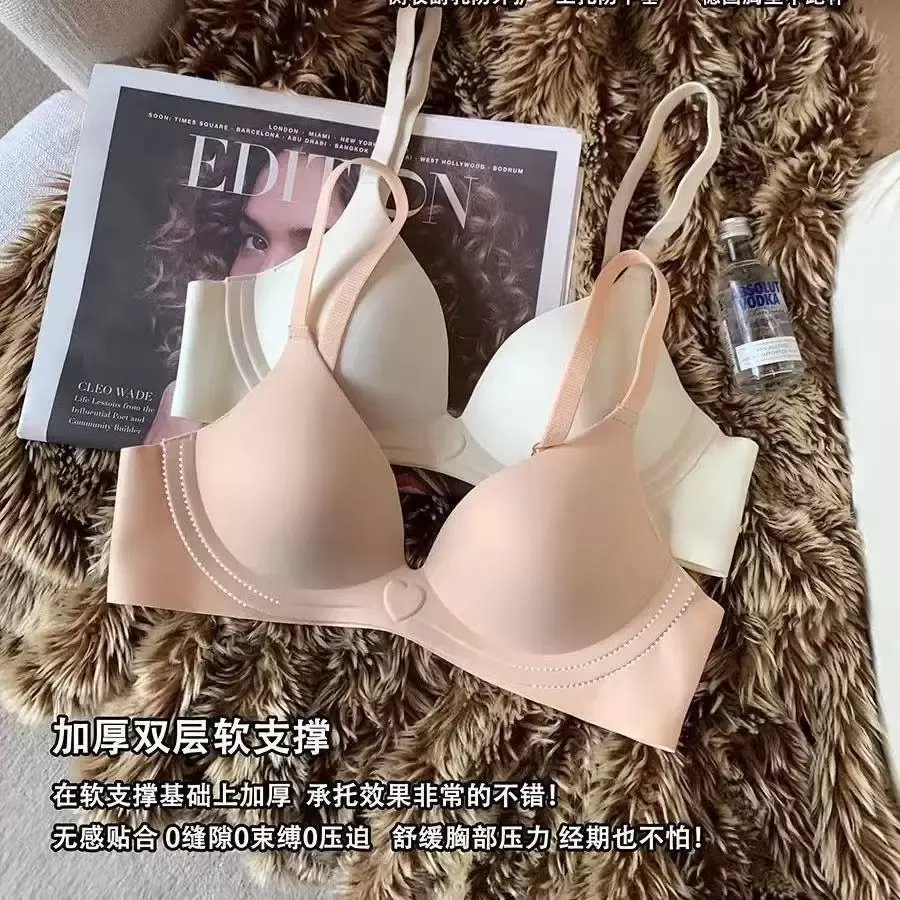
A fair wholesale comparison starts with two identified products serving a similar customer need. Wireless versus underwire is a support-structure comparison. Seamless versus seamed is a different construction dimension, so a smooth cup and an underwire can appear in the same garment.
Choose comparable models and conditions
Match intended wear, price position, size coverage, material requirements and packaging before comparing quotes. If the products are deliberately different, state the difference and the separate customer role each would serve.
Do not assume all wireless bras are simpler, cheaper, cooler or quicker to replenish. Those conclusions require evidence for the actual models. Catalogue category names are a starting point for selection, not a substitute for a completed specification.
Compare usable fit and support
Check the actual size chart and available combinations. An S–XL wireless range does not automatically cover more people than a band-and-cup range, and an underwire does not establish support for every fuller-bust size.
Use samples in the correct size for each participant. Record coverage, shape, adjustment and movement under the same agreed activities. Keep subjective preferences separate from dimensions and construction findings.
Compare complete quotations and reorder terms
Record the quote date, currency, goods, included packing, extra components, delivered-cost assumptions and lead-time starting point. Compare confirmed availability and variant allocation instead of assuming one category always has a faster production cycle.
LXSC catalogue styles have a minimum of 100 pieces per model, with size and colour allocation confirmed in the quote. Branding and other changes are separately reviewed. Original-design custom production starts from 10,000 pieces; a stock comparison should not silently include new pattern development.
| Decision field | Model A | Model B |
|---|---|---|
| Wire and seam structure | To verify | To verify |
| Approved fit range | To record | To record |
| Comparable total cost | To calculate | To calculate |
| Available allocation and reorder scope | To confirm | To confirm |
| Trial outcome | To observe | To observe |
Choose the mix from actual trial results
Define the trial period, price, channel and product presentation. Track units available, completed sales, stockout days, refunds and fit-related return reasons by model and variant. A model that was unavailable for half the trial cannot be assessed using raw sales alone.
Change the mix using those observations and cash constraints. Do not infer a regional winner or recommend a fixed wireless-to-underwire ratio without comparable evidence. If results are sparse, retain that uncertainty rather than presenting a precise forecast.
Frequently Asked Questions
Are wireless bras always cheaper than underwire bras?+
No. Compare the actual specification and quotation, including materials, construction, quantity and packing.
Which category sells faster in Southeast Asia?+
This guide makes no regional sales claim. Use your own comparable trial data and account for availability, price and returns.
Send your model or project requirements, quantities, size and color plan, and destination. Julie can confirm the applicable order route and what the quotation includes.
Existing-style wholesale starts from 100 pieces per model. Original-design custom production starts from 10,000 pieces. Color and size allocation, branding and packaging terms are confirmed separately.
Discuss your sourcing requirementsMore Articles
How to Compare Wireless and Underwire Bra Samples
A repeatable fit-observation record for comparing two correctly sized samples before making a buying decision.
Bra Factory Pricing: Compare Like-for-Like Quotations
Compare garment, trim, packing, quantity and delivery scope on the same specification before choosing a bra factory quote.
Your First Wholesale Bra Trial Order: A Test-and-Reorder Plan
Set sample, budget and acceptance checks for a first wholesale bra order, then decide what to reorder, revise or stop.